-
Biden wants US voters to remember Trump said to inject bleach
Remember? “Four years ago this week, President Donald Trump suggested that Americans might want to inject disinfectant into their bodies to treat the coronavirus. The Biden campaign is intent on making sure nobody forgets it.” Good for them! Continue reading
-
Useful “getting started” video
I ran across this video on Tumblr – originally on TikTok. The useful part of this for me was focusing on basic moves for people who haven’t been exercising regularly. Many are the same moves I do. If you’ve been thinking of exercising more, or at all, this may be helpful. (Body size is not… Continue reading
-
Breakfast
Inspired by Ursula K Le Guin, I’ve started trying to eat breakfast (lots). Or, at least, to eat something before noon. Some standbys: Instant oatmeal with nuts and dried berries added Frozen mini quiches Hummus and chips Yogurt Bananas Muffins What are your favorite breakfasts? Continue reading
-
Pregnancy Discrimination
Something readers sometimes see in historical novels is that women lose their job when they’re pregnant. It’s was expected. In the US, that started to change in 1978, thanks to the Pregnancy Discrimination Act. (Some had thought that it was made already illegal due to the ban on sex discrimination in the Civil Rights Act… Continue reading
-
Sit to Stand is important
Washington Post has reminders of how to strengthen muscles as you age, including the sit-to-stand exercises I wrote about in 2009. I generated a Washington Post Gift link. Continue reading
-
Doctors
Dealt with New Medical Center fear today to get a mole checked out! I feel accomplished. Continue reading
-
Becoming my mother
“There’s no fool like an old fool.” I just said that. About Rudy Giuliani and his insistence on defaming Ruby Freeman and Shea Moss. I’m totally justified in the assessment. I’m still surprised by my phrasing. Continue reading
-
Podcast Apps
As usual when Google has an app that just works, it’s being taken away. Google is pushing Podcast users to YouTube Music. I’m looking at other podcast app options for Android. At the moment I’ve installed AntennaPod, largely because it’s open source and free. I’ve had no problem finding my usual podcasts. Playback hasn’t been… Continue reading
1 -
Treadmill listening
Today’s treadmill listening was season 4, episode 1 of “How We Survive” on water sourcing in Arizona. Then I switched to episodes 1028-1030 of “Make Me Smart.” Continue reading
-
Weight Loss Expectations
Yay Aubrey Gordon for pointing out (in the Maintenance Phase podcast on Ozempic) that if she were to use Ozempic she would have a 50% chance of losing 15% of her body weight. Which would take her from a morbidly obese BMI to …drumroll… a morbidly obese BMI. If a 15% weight loss would put… Continue reading
-
How Heat Affects The Body
I’ve heard many times that sweat helps humans stay cool in heat, and that we pump more blood to extremities to cool it before the blood returns to the body core. But today, listening to The Daily podcast, I realized that our pulse INCREASES as part of the cooling process. If your heart or circulation… Continue reading
-
You might be getting older…
When mopping the kitchen + dining combination room means you really want to lay down for a little while. Continue reading
-
Madame Restell
If you haven’t seen the quotes I posted on tumblr, I’ve just finished reading Madame Restell: The Life, Death, and Resurrection of Old New York’s Most Fabulous, Fearless, and Infamous Abortionist by Jennifer Wright. My overall impression is that the title could have been Madame Restell: Her Life and Times to make it clear that… Continue reading
-
Managing workouts
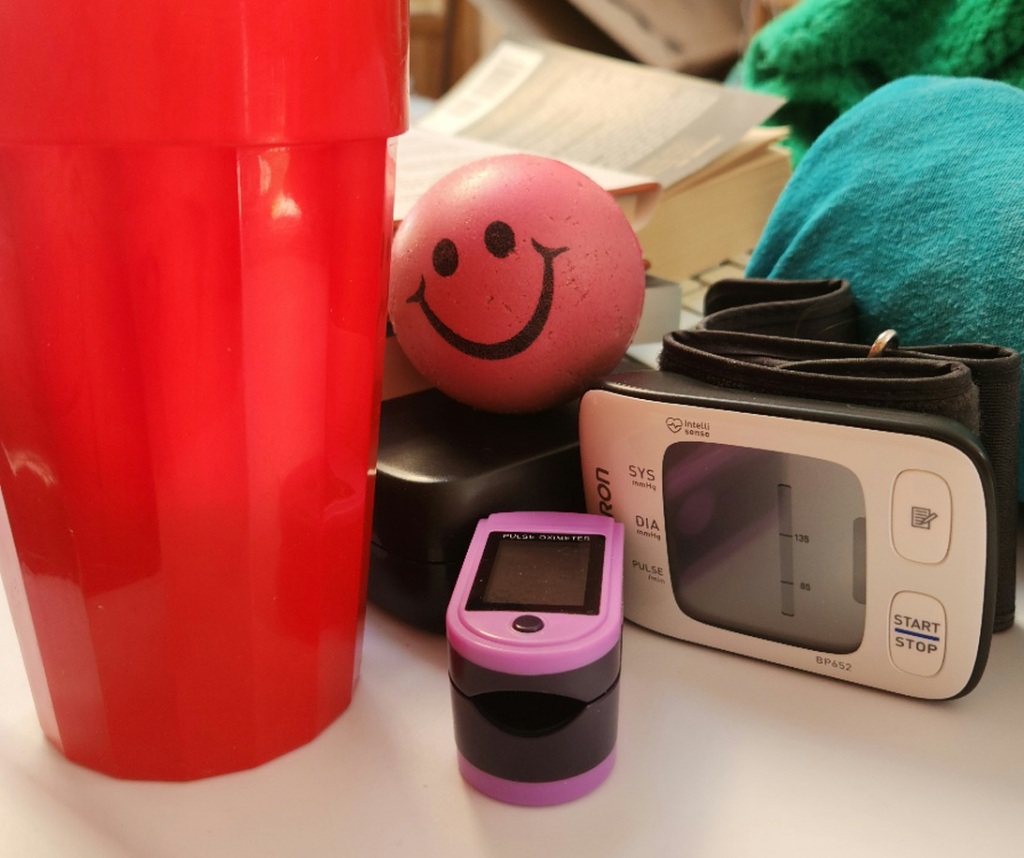
If I lived further south in the US than Seattle, I might not be working out at all today. (Yes, I’m a heat wimp.) But I’m actually in a north-of-Seattle suburb, so I’m wearing Teva sandals over my compression stockings. Other things I’m using: Not everyone needs these! I just find them helpful to me… Continue reading
-
Compression stockings
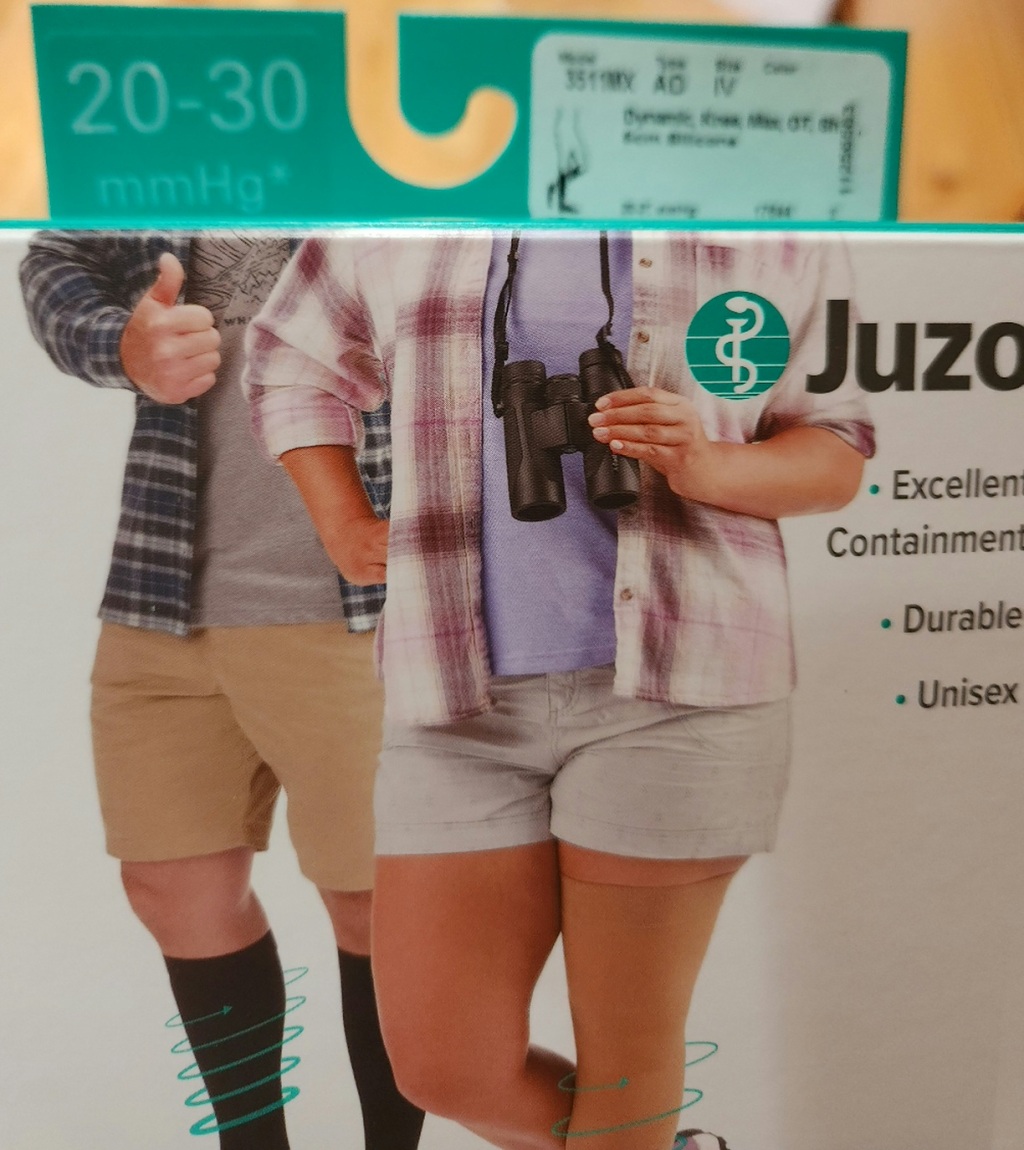
New stockings arrived. Checking my nails are smooth before opening, since putting a nail through these is expensive. As I’ve written before, I wear compression stockings due to impaired blood flow below a knee causing painful swelling. “Avoiding pain” is a good incentive for me. :) https://living400lbs.com/2019/07/15/hand-laundry-never-ends/ Continue reading
-
Signs of Progress
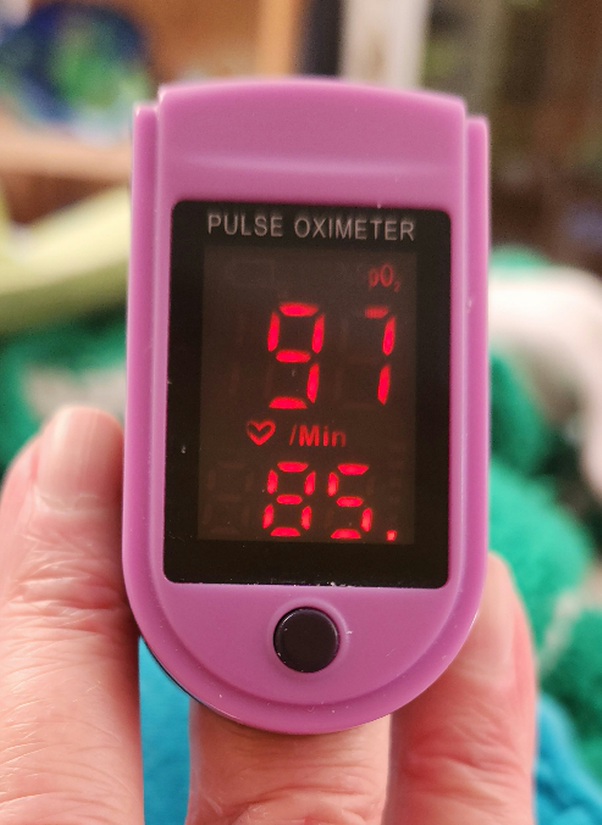
My pulse comes down faster after using the treadmill than it used to. I’m able to focus on reading right after the treadmill, and to retain what I read. My blood pressure has been “in range” for months. It used to be nice to have my pulse oximeter show my pulse go below 100 while… Continue reading
About Me
Former software tester, now retired heart patient having fun and working on building endurance and strength. See also About page.
Recent Posts
Post Categories
- allergies
- Anti-fat bigotry
- Anti-Obesity Programs
- arthritis
- Asthma
- B12
- BeingSuperFat
- Bodily autonomy
- Books
- Childhood Obesity
- Clothing
- Co-opting Fat Acceptance
- DayInTheLife
- Diabetes
- Dieting/WLS
- Disability
- Exercise
- Family
- fat acceptance
- Fat Panic
- FatnessInGeneral
- Feminism
- fitness
- fluff
- food
- Friends
- gratitude
- HAES
- health
- Healthcare
- how-to
- Ingress
- Interviews
- Me
- Media
- menopause
- Mental health
- Money
- Music
- My health
- my knee h8s me
- News
- OtherBlogs
- Podcasts
- Politics
- Popular Posts
- pro-choice
- Quarantimes
- quotes
- Rant
- Recovery
- Search Terms
- Sex
- Size-Positive Art
- Sleep
- Statistics
- Stress
- ThisBlog
- travel
- Uncategorized
- Updates
- VirtualWindowShopping
- Walking
- weights
- WellnessIndustry
- Work
- yoga
Archives
- April 2024
- March 2024
- January 2024
- December 2023
- November 2023
- October 2023
- August 2023
- July 2023
- June 2023
- April 2023
- February 2023
- January 2023
- December 2022
- November 2022
- January 2022
- November 2021
- August 2021
- July 2021
- June 2021
- April 2021
- March 2021
- February 2021
- November 2020
- October 2020
- September 2020
- August 2020
- July 2020
- March 2020
- January 2020
- December 2019
- September 2019
- August 2019
- July 2019
- February 2017
- January 2017
- December 2016
- November 2016
- May 2016
- February 2016
- March 2015
- February 2015
- January 2015
- December 2014
- November 2014
- October 2014
- September 2014
- August 2014
- July 2014
- June 2014
- May 2014
- April 2014
- March 2014
- February 2014
- January 2014
- December 2013
- November 2013
- October 2013
- September 2013
- August 2013
- July 2013
- June 2013
- May 2013
- April 2013
- March 2013
- February 2013
- January 2013
- December 2012
- November 2012
- October 2012
- September 2012
- August 2012
- July 2012
- June 2012
- May 2012
- April 2012
- March 2012
- February 2012
- January 2012
- December 2011
- November 2011
- October 2011
- September 2011
- August 2011
- July 2011
- June 2011
- May 2011
- April 2011
- March 2011
- February 2011
- January 2011
- December 2010
- November 2010
- October 2010
- September 2010
- August 2010
- July 2010
- June 2010
- May 2010
- April 2010
- March 2010
- February 2010
- January 2010
- December 2009
- November 2009
- October 2009
- September 2009
- August 2009
- July 2009
- June 2009
- May 2009
- April 2009
- March 2009
- February 2009
- January 2009
- December 2008
- November 2008
- October 2008
- September 2008
 Living ~400lbs